
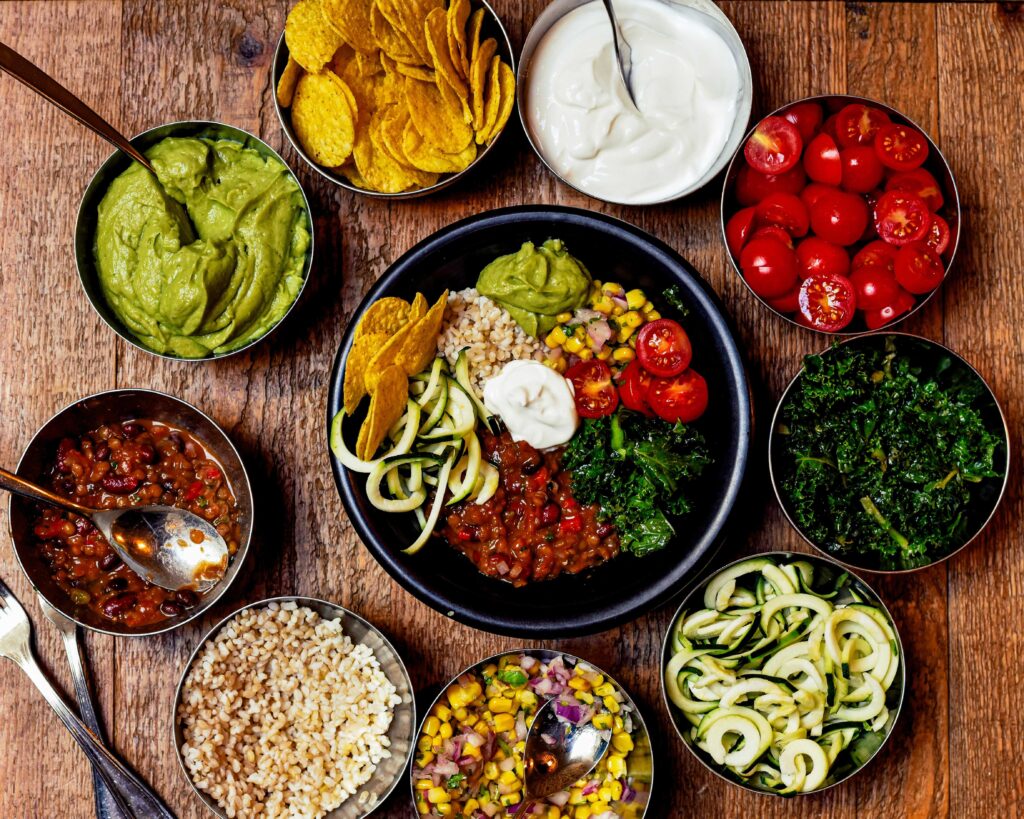
Eat Less Meat

Category

Food

Impact

Cost

?

Eating meat and dairy products have a critical impact on our climate. Scientists warn that the current system of production and consumption cannot be sustained, with livestock producing about 14.5% of the world’s greenhouse gases each year. 

By eating a plant-based diet, we can reduce greenhouse gas emissions and protect the necessary resources we depend on like land and water. Eating a plant based diet (or eating one less meal with meat per week) can save up to .9 tons of CO2 per year! Learn more in this article. Even with little financial investment and going at your own pace, eating less meat and dairy can have a big impact on the climate. By using methods like “Meatless Mondays,” starting with less beef, or switching to dairy alternatives, you can reduce the amount of greenhouse gas emissions you contribute to the environment.

For more information on plant-based diets, click “Steps To Take” and “Deep Dive” on the tabs above.

Steps to Take

Step 1: Asses how your diet affects the climate by reviewing the Environmental Working Group’s impact breakdown.

Step 2: Wean off your meat consumption by reducing your beef intake. Try to move down EWG’s list of foods with the highest impacts. (Lamb, cheese, and pork also rank high on impact!)

Step 3: Commit to going vegetarian once or more times a week. 

Step 4: Keep your pantry stocked with ‘go to’ vegetarian snacks and recipes handy.

Step 5: Once you’ve consistently eaten vegetarian, introduce delicious vegan recipes that have no dairy or eggs!

Step 6: Spread the word and get support from others who are reducing their meat consumption!  

Deep Dive

What’s the difference between vegetarian and vegan? 

Vegetarian is a broader term for excluding animal products from your diet. Vegetarian do not eat meat but will eat eggs and dairy. A vegan diet strictly avoids any food that contains animal products, including meat, dairy, and eggs. Once you become familiar with meatless recipes, try adding vegan recipes into your repertoire as well. Dairy is another food category with a big environmental footprint.

What are good plant-based protein sources?   

As you increase the number of vegan meals you eat, it’s a good idea to include plant-based recipes with protein. Lentils, beans, chickpeas,  peas, nuts, seeds, tofu, tempeh and edamame, and seitan are all good sources of protein. Don’t limit these ingredients to main dishes—You can get your protein in salads, soups, snacks, and even desserts

Testimonials

🫠 No testimonials yet. Be the first to share your thoughts!

Add a Testimonial

0%

Subscribe

* indicates required
Email Preferences