Backyard or Curbside Composting

Category

Waste & Recycling

Impact

Cost

?

Want to reduce your household waste by 40-50%? Avoid a smelly trash bin? Reduce your carbon footprint?

Try composting! Instead of throwing your food scraps in the garbage, you can either have them hauled away through Natick’s curbside composting program, or make compost in your yard to enrich your lawn, perennials, or vegetable garden.

Curbside composting in Natick: Black Earth Compost provides weekly collection services for an annual fee. The town will provide you a free composting bin and you can get discounted bin liners from participating vendors. See the town’s composting website for more info!

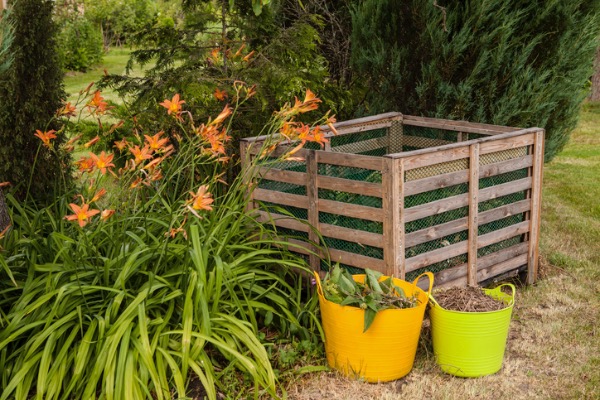
Make compost at home: If you have a backyard, no matter how small, you can have a compost bin. By composting in your own yard, you reduce transportation impacts associated with trash pick-up and transport, plus you can use the composted materials as nutrients in your lawn or garden. Read up on the basics of composting from the EPA, MassToss and the Rodale Institute.

Steps to Take

How to do backyard composting:

  1. Buy or build a compost bin. Many types of containers will work well; however, your container should allow for good air circulation.
  2. Use a small bucket on your countertop or other covered container to collect your food scraps and empty them regularly into your yard compost bin.
  3. Structure your compost pile with layers of “browns” and “greens” to obtain the best effects. Browns are carbon-rich, generally dry, woody or papery materials such as leaves, straw, sawdust, partially decomposed wood from an old wood pile, torn newspaper, etc. Greens are vegetable and fruit scraps, lawn clippings, coffee grounds, and other green, moist organic materials. Keep the pile covered with browns to discourage bugs and pests.
  4. Turn the pile as needed to promote the circulation of oxygen.
  5. Your compost is ready to use in your garden when you can no longer recognize the component parts (like vegetables) that you put into it. You might still see bits of leaves and twigs, but you won’t see a potato! If your compost starts to smell rotten, that likely means you put in too many greens and not enough browns. Throw on some more leaves, or even a scoop of dirt if you’d like to get it back to smelling a little earthier.
  6. Try indoor composting with worms if you don’t have access to an outdoor space. For home composting, it’s best to keep meat and cheese out of the bin. Commercial services will accept these items.
  7. Let us know how it went by leaving a testimonial on this page!

Deep Dive

In a landfill, organic waste contributes to the generation of methane, a major greenhouse gas. But if you compost, it feeds the creatures in the soil that, in turn, make the nutrients available for vegetables, flowers, shrubs, and trees. A healthy soil takes up carbon from the atmosphere.

Composting food scraps will reduce your household waste by up to 50%!

For those without a yard, vermicomposting, or indoor composting with worms, is a space-saving option. You can make your own bin or purchase one that has added convenience features through retailers. It is simple to do and makes for a fun science project for kids!

Testimonials

🫠 No testimonials yet. Be the first to share your thoughts!

Add a Testimonial

0%